Key takeaways
The Ivy League represents a prestigious group of eight private universities in the U.S., known for their academic excellence and influential alumni networks. Understanding the unique characteristics, competitive admissions, and vibrant campus life of these institutions is crucial for prospective students aiming to join their ranks.
- The acceptance rates for Ivy League schools in 2024 range from 3.6% at Harvard to 7.4% at Cornell, highlighting the intense competition for admission.
- Ivy League schools emphasize a rigorous academic experience, with students expected to engage deeply in discussions and complete significant workloads, often 40-60 hours per week.
- The estimated cost of attendance for the 2025-2026 academic year varies, with Columbia being the most expensive at approximately $89,950.
- Building a strong application involves showcasing intellectual curiosity and leadership, along with crafting personal essays that reflect one's unique story and values.
Contents
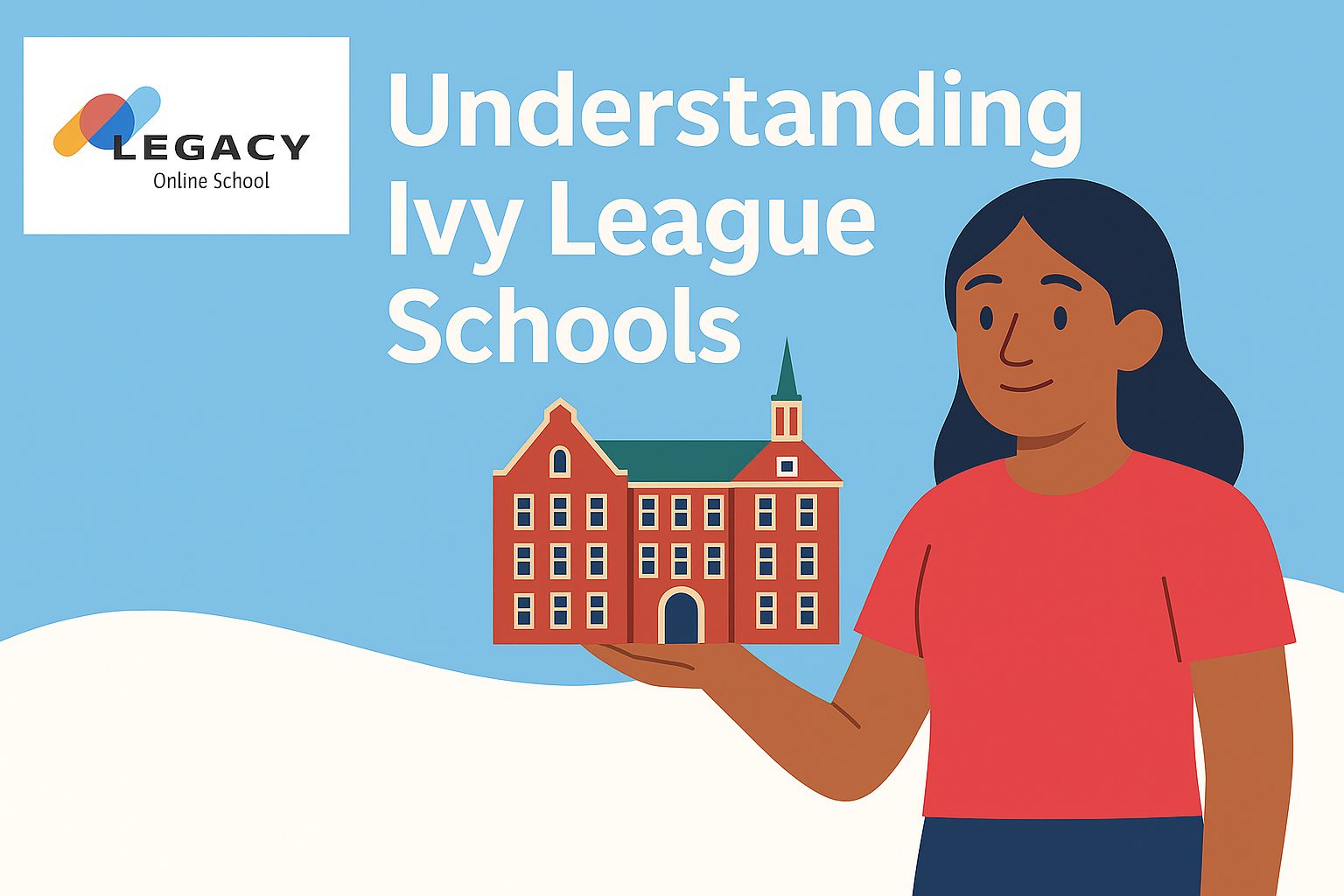
When people talk about the “Ivies,” they’re usually thinking of prestige and long-standing tradition. But the Ivy League is more than just a buzzword—it’s a real group of eight private universities in the U.S. that are known for world-class academics and powerful alumni networks. These schools consistently rank among the best globally, and applying to them has become more competitive than ever. If you’re aiming for the Ivy League, here’s what you need to know.
What Are Ivy League Schools?
The Ivy League originally began as an athletic conference in the 1950s. Over time, it became synonymous with academic excellence, selective admissions, and elite status. While other schools like Stanford or MIT are equally prestigious, only eight universities make up the official Ivy League. What sets them apart:
- Strong endowments and research funding
- Global reputation across industries
- Focus on liberal arts + interdisciplinary study
- Emphasis on tradition, values, and institutional identity
Historical Background and Academic Identity
“In 1902 a basketball league was formed by Columbia, Cornell, Harvard, Yale, and Princeton… with Penn and Dartmouth joining a couple years later”
The Ivy League didn’t begin as an academic group. It started as a sports conference in the mid-1900s. Eight schools in the Northeast—Harvard, Yale, Princeton, Columbia, Penn, Dartmouth, Cornell, and Brown—joined to manage college sports. But over time, the Ivy League name came to mean more than sports. It became a symbol of top academics, selective admissions, and East Coast prestige.
Each Ivy school has its own academic identity. Harvard, the oldest U.S. university (founded in 1636), helped shape liberal arts education. Yale and Princeton followed with strong programs in classical studies and public service. Brown became known for giving students more freedom in choosing classes. Penn, founded by Benjamin Franklin, focused on practical education. Cornell, the youngest, was created to offer both liberal and technical studies for everyone.
Still, all Ivy League schools share some key traits: excellent research, top professors, tough admissions, and strong alumni networks. Many U.S. presidents, Nobel winners, and famous leaders studied there. Their influence reaches into politics, business, science, and culture.
So when people say “Ivy League,” they don’t just mean good schools—they mean tradition, power, and a long history of shaping the world.
Full List of Ivy League Institutions
Before going deeper, here’s the full list:
| University | Location | Founding Year |
| Harvard University | Cambridge, MA | 1636 |
| Yale University | New Haven, CT | 1701 |
| Princeton University | Princeton, NJ | 1746 |
| Columbia University | New York, NY | 1754 |
| University of Pennsylvania | Philadelphia, PA | 1740 |
| Dartmouth College | Hanover, NH | 1769 |
| Brown University | Providence, RI | 1764 |
| Cornell University | Ithaca, NY | 1865 |
How Competitive Are Ivy League Acceptance Rates?
Here’s a quick look at acceptance rates for the 2024 cycle::
|
School |
Admit Rate |
| Harvard | 3.6% |
| Columbia | 3.9% |
| Princeton | 4.4% |
| Yale | 4.5% |
| Brown | 5.1% |
| Penn | 6.5% |
| Dartmouth | 6.2% |
| Cornell | 7.4% |
Keep in mind: these numbers don’t reflect just academic achievement. Ivy League admissions look at your full story—impact, leadership, character, voice.
What Is the Ivy League Academic Experience Like?

Studying at an Ivy League school isn’t just about old buildings and lectures. It’s about joining a serious, fast-paced academic community. From the start, students are expected to think deeply, write clearly, and take part in high-level discussions—often similar to graduate classes. Professors don’t just talk—they ask questions and push students to think for themselves.
The workload is tough. Readings can be hundreds of pages per week, and assignments take a lot of time and effort. But help is available. Office hours are used often. There are writing centers, peer tutors, and mentors. Students can even join research projects early in their studies. Teamwork is also common and built into many classes.

What makes the Ivy League special is the people. You’re surrounded by students who care about big ideas—climate, politics, justice, science, and more. Learning doesn’t stop after class. Debates continue in dorms, libraries, and dining halls. Many classmates will become future leaders, professors, or innovators.
It’s competitive, but not always in a harsh way. Students push themselves because they want to do well, not because others pressure them. That drive can be exciting and stressful—but for many, it’s a life-changing experience.
Curriculum and Academic Rigor Across the Ivies
Each school has its own structure—some like Brown have open curriculums, while others like Columbia have a strict core. But they all offer:
- Small, discussion-based classes
- World-class faculty, often leading global research
- Emphasis on interdisciplinary learning
Students report spending 40-60 hours/week on academic work, including readings, labs, writing, and group projects.
Student Life, Clubs, and Campus Culture
“The value in Ivy League schools is not in the education; it’s who you meet while you are there. Connections make the world go ’round”
Student life at Ivy League schools is more than just studying—it’s full of clubs, traditions, and strong communities. From the first week, students are encouraged to get involved, lead, and create something meaningful.
Each campus has hundreds of student groups—political clubs, cultural groups, volunteer programs, business clubs, and more. Some are well-known and old, like The Harvard Crimson or Yale Political Union. Others are fun and unique, like Cornell’s beekeeping club or Princeton’s fencing team. And if a club doesn’t exist, you can usually start your own.
Housing is also a big part of student life. Many Ivy schools have residential systems like Yale’s 14 colleges or Harvard’s House system. These are smaller communities where students live, eat, and build traditions together. They often have their own sports, events, and student leaders.
Social life is different at each school. Greek life is big at Dartmouth, Cornell, and Penn, but not common at Harvard or Yale. Still, many students find their main group through clubs, not fraternities. Community service and activism are also important—students often work on projects related to climate, justice, or global issues.
Diversity is another key part. All Ivy schools have cultural centers and student groups that support different identities. These groups host events, celebrate heritage, and help shape campus life.
Each Ivy has its own vibe—Columbia is urban and activist, Dartmouth is outdoorsy, and Penn is business-focused. But all have students who are very involved and passionate. It can be tiring to keep up, but for many, these are the most exciting and meaningful years of their life.
Alumni Networks and Career-Building Opportunities
Arguably one of the biggest Ivy advantages is the alumni network. Whether you’re launching a startup or applying to law school, being part of an Ivy opens doors.
- Access to top recruiters in finance, consulting, and tech
- Alumni mentorship programs and job shadowing
- Global networks with tens of thousands of active graduates
Many students land internships through alumni referrals even before finishing their sophomore year.
What Does It Cost to Attend an Ivy League School?
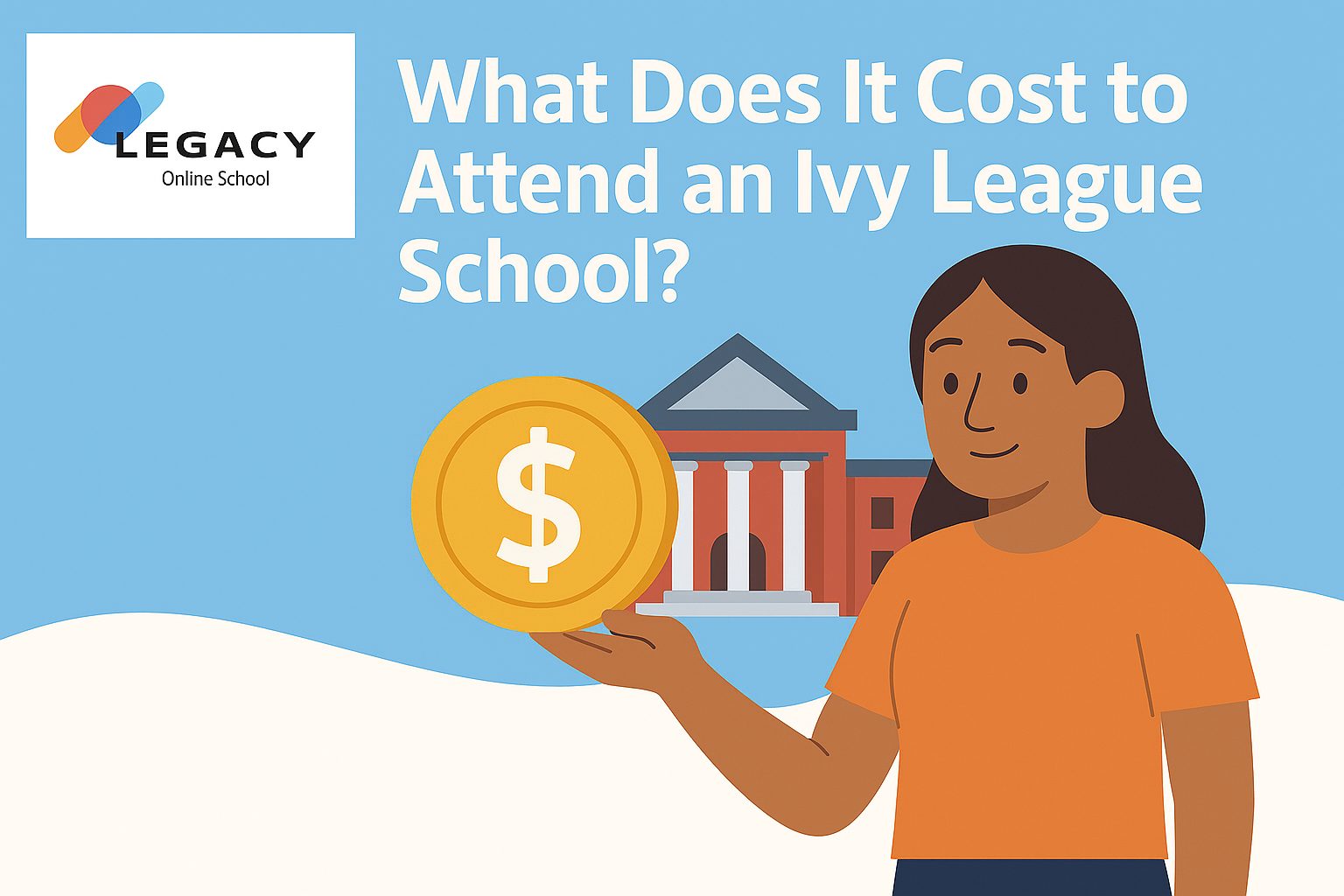
Here’s a breakdown of the estimated cost of attendance (not just tuition) at each Ivy League university for the 2025-2026 academic year:
| University | Estimated Cost of Attendance (2025-2026) |
| Harvard | $84,150 |
| Yale | $84,600 |
| Princeton | $82,650 |
| Columbia | $89,950 |
| University of Pennsylvania (Penn) | $87,450 |
| Dartmouth | $85,300 |
| Brown | $86,800 |
| Cornell | $88,200 (varies slightly by college) |
These totals can vary depending on the academic program, personal lifestyle, and on-campus vs. off-campus housing. Columbia and Cornell tend to be the most expensive due to urban living costs in NYC and Ithaca.
Financial Aid, Grants, and Scholarship Options
Every Ivy League school is need-blind for U.S. students and meets 100% of demonstrated need. That means:
- No merit aid (it’s all need-based)
- No loans in many cases—just grants and work-study
- International students also get aid at several Ivies (like Harvard, Yale, and Princeton)
For example, Harvard offers full tuition to families earning under $85,000/year.
Living Expenses and Other Hidden Costs
Beyond tuition, you should budget for:
- Travel to/from campus (especially if international)
- Textbooks and materials (~$1,000/year)
- Social life, events, and club fees
- Summer housing (if you’re doing internships or research)
Many schools offer micro-grants and emergency funds for these expenses.
How to Improve Your Chances of Getting Into the Ivy League?
Getting in takes more than perfect grades. Ivies want students who show intellectual curiosity, initiative, and impact. Tips from the Legacy Online School team:
- Build a “spike”—a clear area of passion or talent (research, writing, activism, coding, etc.)
- Start early on leadership roles and independent projects
- Craft personal essays that reflect voice, not just accomplishments
- Get strong recommendation letters from teachers who really know you
- Take the most challenging courses available to you (AP, IB, dual-enrollment)
|
Top Tips from Our Expert
|

Maya Robinson, AP Program Advisor at Legacy Online School
Sources: Ivy League, Reddit