Key takeaways
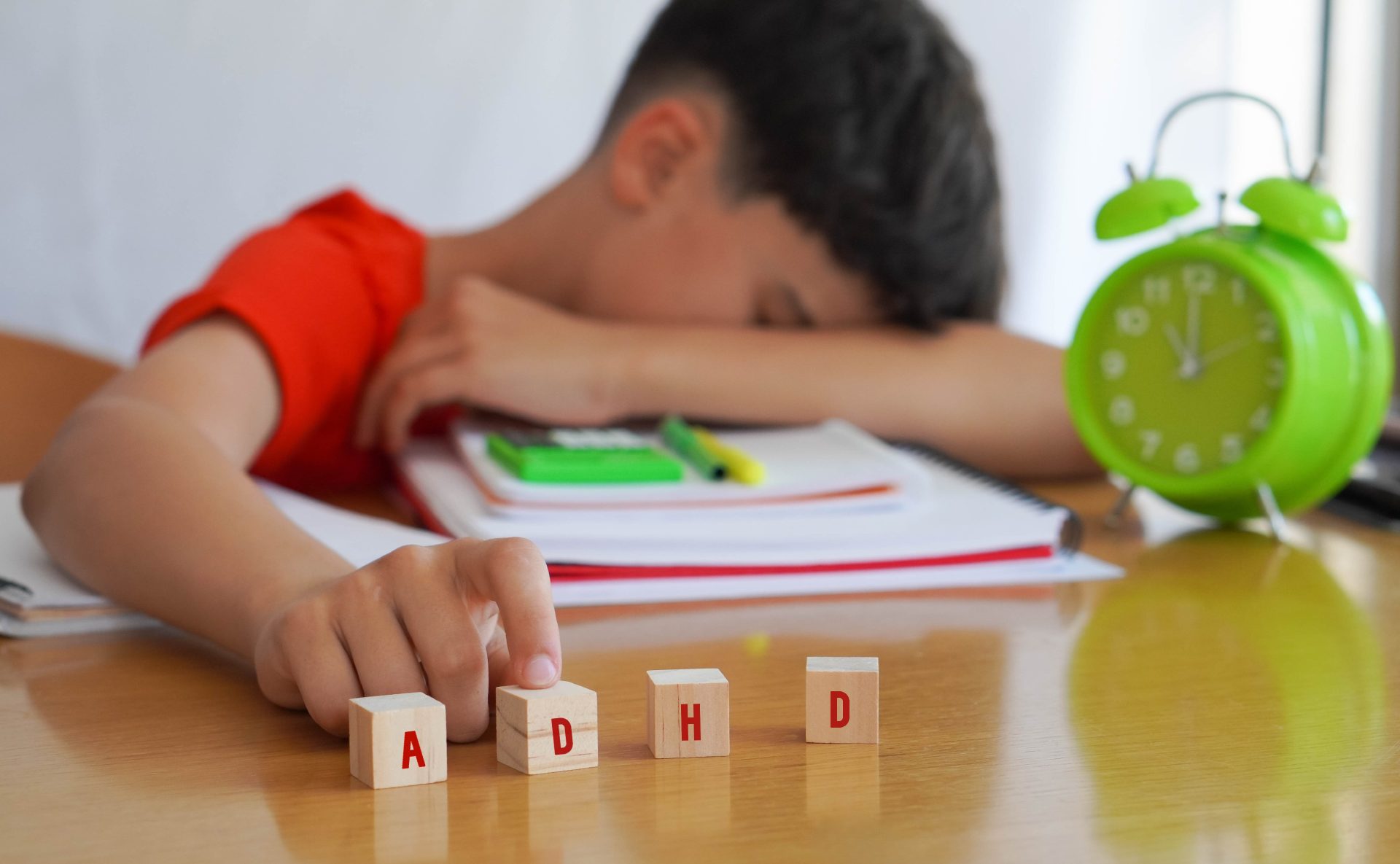
Online schools present a viable educational alternative for students with ADHD, addressing their unique challenges by providing personalized learning experiences, reduced distractions, and flexible schedules. This approach can significantly enhance their academic performance and engagement.
- 11.4% of U.S. children aged 3-17 have been diagnosed with ADHD, with about 6 in 10 experiencing moderate to severe symptoms (CDC).
- Online education allows ADHD students to learn at their own pace, catering to their specific needs and preferences.
- A study in 2022 reported an increase of 1 million children diagnosed with ADHD, highlighting the growing need for tailored educational solutions.
- Creating a distraction-free learning space and incorporating movement breaks can significantly improve focus and learning outcomes for ADHD students.
Contents
11.4% (7 million) of U.S. children aged 3-17 years have been diagnosed with Attention Deficit Hyperactivity Disorder (ADHD) according to the Centers for Disease Control and Prevention (CDC) datasets. About 6 in 10 of children had moderate or severe ADHD.

ADHD is a developmental disorder marked by persistent symptoms of inattention, hyperactivity, and impulsivity. These symptoms affect a student’s ability to focus, complete tasks, and stay organized. These symptoms have a high impact on learners’ overall school performance. Students with ADHD find it difficult to learn in regular schools because of the many distractions and the inflexible schedules. Online schools are an alternative way for these students to have quality education despite ADHD. For parents who want a deeper understanding of the U.S. education structure, it is helpful to review K-12 Meaning Explained before selecting the most suitable learning format.
|
Parents, Take Note
ADHD is not considered to be a learning disability according to The Learning Disabilities Association of America (LDA). ADHD can be determined to be a disability under the Individuals with Disabilities Education Act (IDEA), making a student eligible to receive special education services. Individuals with ADHD qualify for accommodations under the Americans with Disabilities Act (ADA) if their ADHD impacts a major life function such as learning
|
Benefits of Online School for Students with ADHD
ADHD students benefit from having education tailored to their needs. Online education allows them to achieve this. ADHD students have freedom to choose how they spend their time and focus on specific tasks.
Online home schooling reduces noise and external stimulation for ADHD students. The controlled environment allows the student to focus more on their work and remain on tasks. Students focus on educational materials and separately manage their social activities, which is impossible in traditional school settings.
Online schools give ADHD students the ability to schedule their programs around their most productive times of the day. Online schools allow students to take advantage of hyperfocus periods unlike traditional schools with fixed length classes. Students make significant progress in their studies by reducing the risk of losing attention.
ADHD students are more involved in multimedia tools like videos, animations, and interactive quizzes than with the traditional forms of learning. Changing between different types of activities or varying how information is presented helps students stay focused on the topic. The context change offers necessary attention shifts and works for students.

5 Tips to Help Learners with ADHD Succeed with Online Academy
1 million more children had received an ADHD diagnosis in 2022, according to the study “ADHD Prevalence Among U.S. Children and Adolescents in 2022: Diagnosis, Severity, Co-Occurring Disorders, and Treatment”. Learning with ADHD is challenging for students and their parents. Here are several tips for successful online education for students with ADHD.
Tip 1: Create a Learning Space
ADHD students need a distraction-free zone dedicated to online learning. This area is quiet and not in a high-traffic location where students will be interrupted. It’s important to minimize surrounding factors for students as much as possible.
Tip 2: Set a Consistent Routine
Consistency helps ADHD students feel secure and keeps them on track with their assignments. Develop a daily schedule with clear start and end times for schoolwork. Separate learning time from rest time.
Tip 3: Incorporate Movement Breaks
Students need to take short breaks between lessons. It’s better to choose students’ preferred physical activity. Breaks help ADHD students release pent-up energy and return to their studies with renewed focus.
Tip 4: Break Tasks into Smaller Steps
Students need to break materials into smaller, manageable tasks. This prevents ADHD students from feeling overwhelmed and helps them stay focused on completing one step at a time.
Tip 5: Use Visual Aids and Timers
ADHD students use visual schedules, checklists, and timers to manage their time effectively and stay on task during online classes. Visual schedules help them maintain focus. Checklists and timers prevent them from missing important tasks.

How to Choose the Best Online School for Children with ADHD?
Choosing the best online school for ADHD child is not about branding, it is about structure, support, and measurable outcomes for adhd kids. The right online program should reduce distraction, not just move traditional classes online.
The first factor is format. Data from EdTech studies shows that online students with ADHD perform better in shorter, structured lessons, typically 20–30 minutes, compared to long lectures. Schools that break content into smaller blocks with clear checkpoints show higher completion rates.
The second factor is support. A strong online school for ADHD students always includes access to a tutor or mentor who can adjust pace and explain material one-on-one. Research shows that students with ADHD improve task completion by 30%+when they receive consistent individualized support.
The third factor is flexibility with accountability. The best programs allow students to learn at their own speed but still track deadlines and progress. Without this balance, ADHD students either fall behind or lose focus.
Another key signal is real outcomes. Look for verified success stories with specific results, such as improved grades, better focus, or successful transitions to traditional schools or college. Generic reviews are less useful than data-backed results.
Quality Content
Choose a school providing the program with multimedia content, interactive tools, and engaging activities for students. These tools hold ADHD students’ attention and keep them motivated. Many parents compare features, support, and outcomes when reviewing the Best K-12 Online Schools for children with attention challenges.

Why is Legacy Online School a Good Choice?
“We firmly believe in providing equal opportunities for every student to achieve their fullest potential”
Legacy Online School offers flexible schedules and tools for focus management. Teachers at our school help students and their parents establish proper routines to minimize distractions. This is a good way for students to stay focused and keep structure in their daily learning.
We ensure all our instructors are certified teachers who adapt their materials to meet the individual needs, interests, and abilities of students.
There are three types of learning styles, such as group, one-on-one, and self-paced learning, which help ADHD students find their own comfortable way to learn. Find out more about learning styles and opportunities here. Details about Tuition & Fees are also available so families can plan their educational journey with confidence.

Conclusion
Online programs are one of the most effective school alternatives for ADHD, offering flexible schedules and personalized learning environments. Legacy Online School is a great choice for ADHD students. It offers flexible, personalized learning environments with individual support, helping students manage their focus and pace while addressing their unique needs.
|
Top Tips from Our Expert
|
Maya Robinson, Online Learning and Student Support Specialist
Sources: Online education research and ADHD learning studies