Key takeaways
Saint Kevin Catholic Academy fosters a nurturing environment where students thrive academically, socially, and spiritually. The school emphasizes small class sizes, active parental involvement, and a strong commitment to Catholic values, ensuring that each child receives personalized attention and support throughout their educational journey.
- Smaller class sizes allow for individualized attention, enhancing student-teacher relationships and academic performance.
- Parents play an active role in their child's education through monthly meetings, volunteering, and participating in school events.
- Students engage in hands-on learning through programs like STREAM, which integrates science, technology, religion, engineering, arts, and math.
- The school prioritizes emotional safety, implementing a zero-tolerance policy for bullying and providing accessible counseling support for students.
Contents
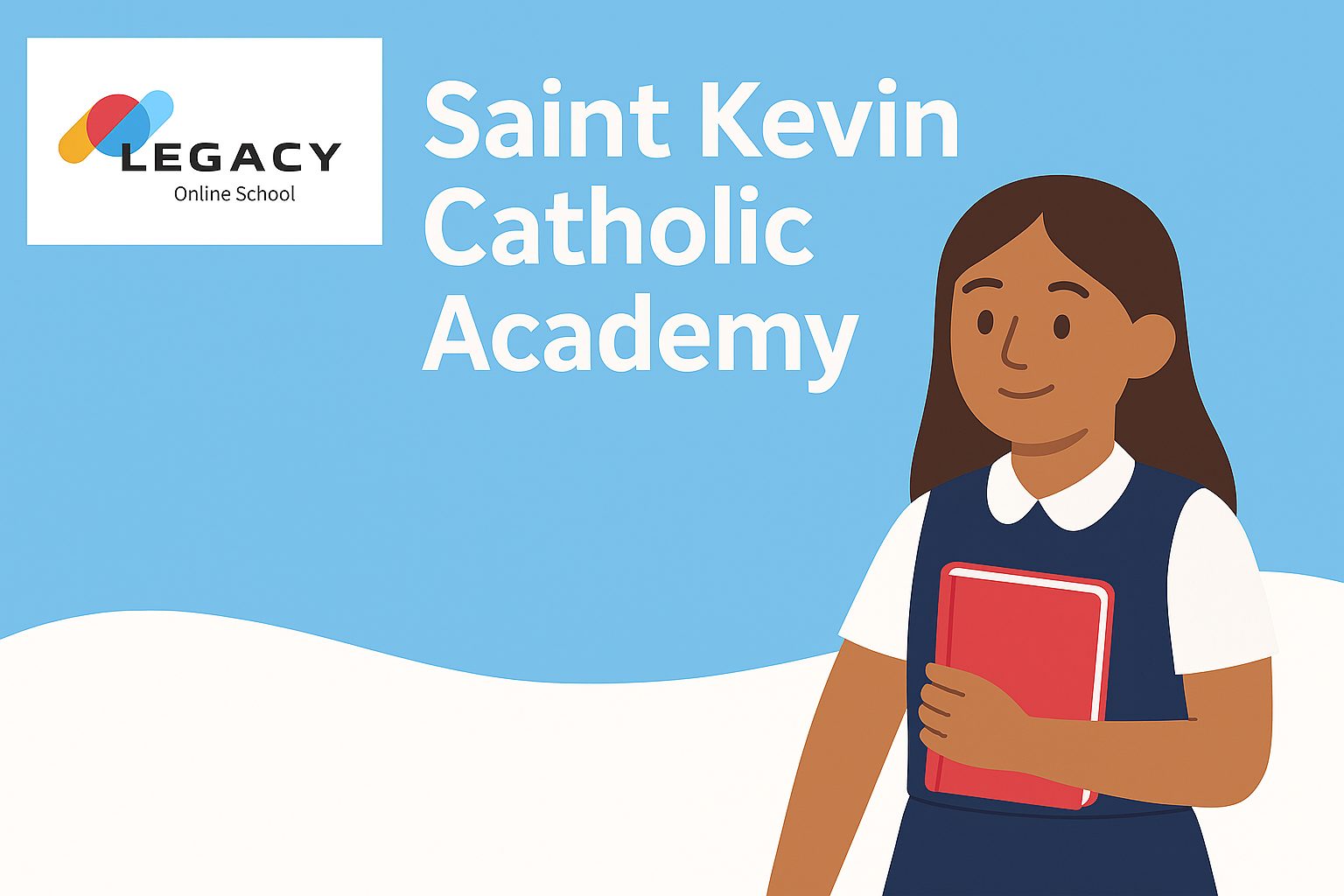
Saint Kevin Catholic Academy is more than a school—it’s a caring community. Here, students grow not only in academics, but also in faith and social life. The school combines strong learning with family values. Whether you’re new or already part of the school, Saint Kevin helps every child grow in a complete way.
What Makes Saint Kevin Catholic Academy Unique?
“It’s not a whole lot different than public school. The biggest differences are mandatory uniform, religion classes, and smaller class sizes”
What makes Saint Kevin special is its caring and faith-filled culture:
- Catholic values are part of everyday life, helping students build strong character
- Small class sizes mean teachers know each student well and give more attention
- Students take part in service projects that connect learning with real life
- Parents and teachers work closely together, creating strong support for families
- The school also teaches students to stay confident and ready to grow
How Parents Can Stay Involved in Their Child’s Education?
At Saint Kevin, parents are part of the team. Families don’t just watch—they help. Here’s how parents get involved:
- Monthly meetings to share ideas and plan school events
- Helping with reading, art, and field trips
- Joining curriculum nights and open houses
- Talking directly with teachers for updates and support
Family Events and Volunteer Opportunities Throughout the Year
Here’s a simplified view of how the school year looks from a family involvement perspective:
| Season | Key Family Events | Typical Volunteer Roles |
| Fall | Welcome Picnic, Halloween Parade | Setup, decorations, safety check-ins |
| Winter | Nativity Play, Toy Drive, Caroling Night | Wrapping, donation logistics, music support |
| Spring | Book Fair, Field Day, Family BBQ | Booths, game stations, first aid, food service |
| Year-Round | Reading time, Recess and Lunchroom Support | Weekly signups, rotating shifts |
Programs and Opportunities for K-8 Students
From kindergarten, students take enrichment classes like art, music, and physical education each week. As they grow, they can choose electives and join leadership programs.
One key program is STREAM—Science, Technology, Religion, Engineering, Arts, and Math. Students work on hands-on projects like building robots or creating models of eco-friendly buildings. Parents on GreatSchools.org say this makes learning more fun and memorable.
Outside the classroom, students can join the school play, choir, or band. Older students may enter the National Junior Honor Society to do service projects and help younger kids. Students in grades 4-8 can also join the student council to practice public speaking and planning.
Sports are important too. Depending on grade level, students can play basketball, soccer, volleyball, or run track. The sports program focuses on teamwork, respect, and Catholic values.
Clubs and enrichment rotate throughout the year and often include:
- Coding and robotics
- Drama and performance
- Public speaking and debate
- Yearbook and journalism
- Spanish language club
- Environmental and gardening group
Academic Programs Tailored to Each Grade Level
Here’s how the academic focus typically shifts across grade levels:
| Grade Levels | Core Academic Priorities |
| K-2 | Phonics, handwriting, number sense, guided reading |
| 3-5 | Reading comprehension, writing structure, foundational science and history |
| 6-8 | Critical thinking, lab science, algebra, essay writing, public speaking |
Supporting Social and Emotional Development
Saint Kevin doesn’t treat social-emotional learning as a buzzword—it’s integrated into everyday classroom life. Teachers work closely with students on:
- Conflict resolution and peer support
- Mindfulness practices and reflection
- Service learning as a way to build empathy
- Respect for diversity in classroom discussions
Older students often serve as peer leaders or buddies for younger grades, building a school-wide culture of care.
Enriching Learning Through Extracurricular Activities
Extracurriculars rotate by season and often include:
- Band and choir rehearsals that lead to schoolwide performances
- Theater productions with student-led set design and backstage crews
- Robotics and coding clubs tied to STREAM curriculum projects
- Environmental action teams that run recycling and gardening efforts
- Art studio workshops that go beyond classroom assignments
- Sports teams with scheduled practices, coaching, and weekend games

Many activities are held on-site after school, allowing families to plan around them. Others run during lunch or designated enrichment blocks. Participation is encouraged across all grades, with faculty advisors ensuring younger students feel supported and older students are challenged. Parents often assist with logistics and event organization, reinforcing the school’s family-first culture.
Preparing Students for High School and Beyond
“Too many kids are entering college and have zero concept of deadlines. They just expect professors to accept late work and not take off any points”
Starting in middle school, students move between different teachers for each subject, just like in high school. They learn how to handle more homework, stay organized, meet deadlines, and talk with teachers on their own. This helps them get used to high school routines without too much stress at once.
The subjects also get more advanced. Students study algebra, write research papers, analyze books, and do science labs. They give class presentations, work in teams, and apply what they’ve learned to real-life problems. In eighth grade, they often do a final project that combines subjects like religion, history, and public speaking—similar to what high schools expect.
Students also grow in other ways. They learn digital skills, practice for interviews, and talk about real-world choices in advisory groups. Teachers help with high school applications and entrance tests, and give advice on choosing the best school for each student—not just the most famous one.
Graduates from Saint Kevin often go on to top high schools in Queens and New York City. Many school leaders say that Saint Kevin students are confident, prepared, and ready for the challenge.
Ensuring a Safe and Supportive School Environment
The school has strong physical safety measures. All visitors enter through a secure door, and staff are trained for emergencies. Students practice drills for lockdowns and evacuations in a calm, clear way that doesn’t cause fear. Classrooms have systems to stay in contact during emergencies.
What really makes Saint Kevin special is its focus on emotional safety. Teachers notice when students are upset or stressed and step in early. The school has a zero-tolerance policy for bullying. If problems happen, staff help students talk through conflicts, learn from them, and take responsibility.
Counselors are always available if students need help—whether it’s about school, friends, or things at home. There’s no stigma, and students can reach out anytime. Teachers and counselors work closely, so support feels natural.
Faith also plays a quiet role. Students pray daily, take religion classes, and do service projects. This helps build kindness, honesty, and respect in everyday life.
Parents stay involved through weekly updates, meetings, and open communication with teachers and leaders. The school also offers parent workshops on topics like internet safety and emotional health.
Safety Policies That Keep Students Protected
Here’s how key safety policies are structured and implemented at Saint Kevin:
| Area of Safety | Policy in Place | Frequency/Access |
| Building Access | All doors locked during hours; entry only through front office | All day, every day |
| Visitor Protocol | ID required, sign-in log, visible badge | Enforced for all non-staff during school hours |
| Staff Safety Training | First aid, emergency response, active threat procedures | Annual + updates during faculty meetings |
| Emergency Drills | Fire, lockdown, evacuation, shelter-in-place | Scheduled throughout the school year |
| Digital Safety | Filtered Wi-Fi, supervised device use, digital citizenship education | Daily, monitored by IT and teachers |
| Parent Communication | Emergency alert system (text + email), real-time updates | Immediate dispatch during events |
| Community Partnerships | Active collaboration with NYPD, FDNY, emergency services | Ongoing, with regular site audits |
How Parents Can Voice Safety Concerns or Questions?
Saint Kevin takes parental input seriously. If you have a concern, there are multiple ways to speak up:
- Email the principal or safety coordinator directly
- Attend PTA or school board meetings
- Use confidential feedback forms provided during parent events
- Request a personal meeting with faculty or administration
Staff are trained to listen without judgment and respond quickly.
|
Top Tips from Our Expert
|

Maya Robinson, AP Program Advisor at Legacy Online School
Sources: Saint Kevin Catholic Academy, Reddit