Key takeaways
Remote tutoring offers flexible opportunities for both college students and certified teachers to connect with learners globally. With the growth of virtual platforms and AI tools, entering the online tutoring field has never been easier, allowing individuals to tailor their teaching to their strengths and schedules.
- Online tutors can earn between $10 to $80+ per hour depending on their experience and subject expertise (source: article).
- Specializing in high-demand subjects like math and test prep can significantly increase your earning potential.
- Platforms like Wyzant and Outschool offer pay ranges from $25 to $70+ per hour, depending on qualifications and subject matter (source: article).
- Establishing clear boundaries and effective time management strategies is crucial for maintaining quality and preventing burnout in tutoring sessions.
Contents

Remote tutoring has transformed how students learn—and how educators work. Whether you’re a college student looking to make extra cash or a certified teacher seeking flexibility, online tutor jobs let you connect with learners around the world on your terms. With the rise of virtual learning platforms and AI-enhanced tools, the opportunities in this field are broader—and more accessible—than ever.
What Are Online Tutor Jobs and How to Become a Tutor?
Online tutor jobs involve teaching students via the internet using tools like Zoom, Google Meet, or integrated classroom platforms. You may teach one-on-one sessions, small group lessons, or asynchronous courses where students learn at their own pace with your guidance.
Anyone with expertise in a subject—and the ability to communicate it—can become an online tutor. You don’t always need a teaching license, but having credentials helps with higher pay and more offers.
Definition of Online Tutor Jobs
An online tutor is someone who:
- Helps students master academic subjects or test prep
- Works remotely via video conferencing tools
- Customizes lessons based on student needs
- May work independently or through a platform
- Often sets their own schedule and rates
This can be a part-time side hustle or a full-time career, depending on your goals.
Steps to Become an Online Tutor
Here’s how to get started:
- Identify your subject strength–Focus on areas where you have both expertise and passion.
- Choose a tutoring platform or go freelance (more on that below).
- Create a strong profile–Highlight your education, experience, and teaching style.
- Get familiar with digital teaching tools–Screen sharing, virtual whiteboards, breakout rooms, etc.
- Apply and onboard–Each platform has a slightly different hiring process.
Skills Required to Teach Online
Being great at math or English isn’t enough—you also need soft skills that make virtual learning effective. Here’s what successful tutors bring to the table:
- Clear communication–Especially over video
- Patience and adaptability–Every student is different
- Digital literacy–Ability to use Zoom, PDFs, online whiteboards, etc.
- Time management–Sessions need structure
- Empathy–Many students come to tutoring with stress or self-doubt
What Are the Best Online Tutoring Jobs Available?
Here’s a comparison of some of the most reputable platforms for online tutoring:
| Platform | Best For | Subjects Covered | Requirements | Pay Range (USD/hour) |
| Wyzant | Independent tutors in the U.S. | Math, English, Science, Coding, more | Bachelor’s degree preferred | $25-$60+ |
| Tutor.com | Academic support & military families | K-12, College, Test Prep | Bachelor’s required, teaching exp. preferred | $15-$30 |
| Preply | Language tutors worldwide | ESL, Spanish, French, Mandarin, etc. | No degree required, but experience helps | $10-$40+ |
| Skooli | Certified teachers | Math, Science, Languages | Teaching license or Master’s required | $25-$40 |
| Outschool | Creative & K-12 education | Art, Science, Social Studies, Coding | Background check, teaching experience | $30-$70+ per class |
| Chegg Tutors | College-level subject help | STEM, Business, Computer Science | Enrollment in or degree from a top school | ~$20+ |
Criteria for Choosing the Best Tutor Jobs
Choosing the right job isn’t just about pay. Think about:
- Your schedule flexibility
- Student age group (kids vs. teens vs. adults)
- Subject demand
- Teaching format (1:1 or group)
- Platform commission and payout process
- Tools and resources available to support your work

High Demand Subjects for Online Tutors
“Test prep is definitely one of the more lucrative subjects. I charge a minimum of $180/hr and I work 40‑50 hrs a week”

Some subjects are always in demand. These can help you get more bookings and higher rates:
- Math (especially Algebra, Calculus, Statistics)
- Science (Chemistry, Physics, Biology)
- English Language and Literature
- ESL (English as a Second Language)
- SAT/ACT or AP Exam Prep
- Programming (Python, Java, HTML)
Bonus: Test prep and coding often pay more than general homework help.
How Much Do Online Tutors Make Per Hour?
Tutoring income varies widely. Here’s a general breakdown:
| Experience Level | Expected Hourly Rate |
| Beginner | $15-25 |
| Intermediate | $25-40 |
| Expert/Specialized | $40-80+ |
Ways to Increase Your Income as a Tutor
Here’s how to boost your earnings over time:
- Specialized tutors (e.g. AP Calculus or SAT Verbal) command higher rates
- Discounted bundles encourage repeat students
- Good reviews drive future bookings
- List on more than one site to fill your schedule
- Build your own brand and attract direct clients
What Is the Onboarding Process for Online Tutoring Jobs?
Most platforms follow a similar process:
- Submit an application with basic info and subjects you can teach
- Take a subject assessment or teaching quiz
- Record or complete a mock lesson
- Background check or credential review
- Profile goes live and you can start accepting students
Some platforms move quickly—others take up to two weeks.
How to Manage Your Time Effectively as an Online Tutor?
“Take a day off per week. On this day, unplug completely. … Teach 2 hours, take one hour off. … If you teach 4 classes in a row you will feel like shit, and your remaining classes will be of lower quality”
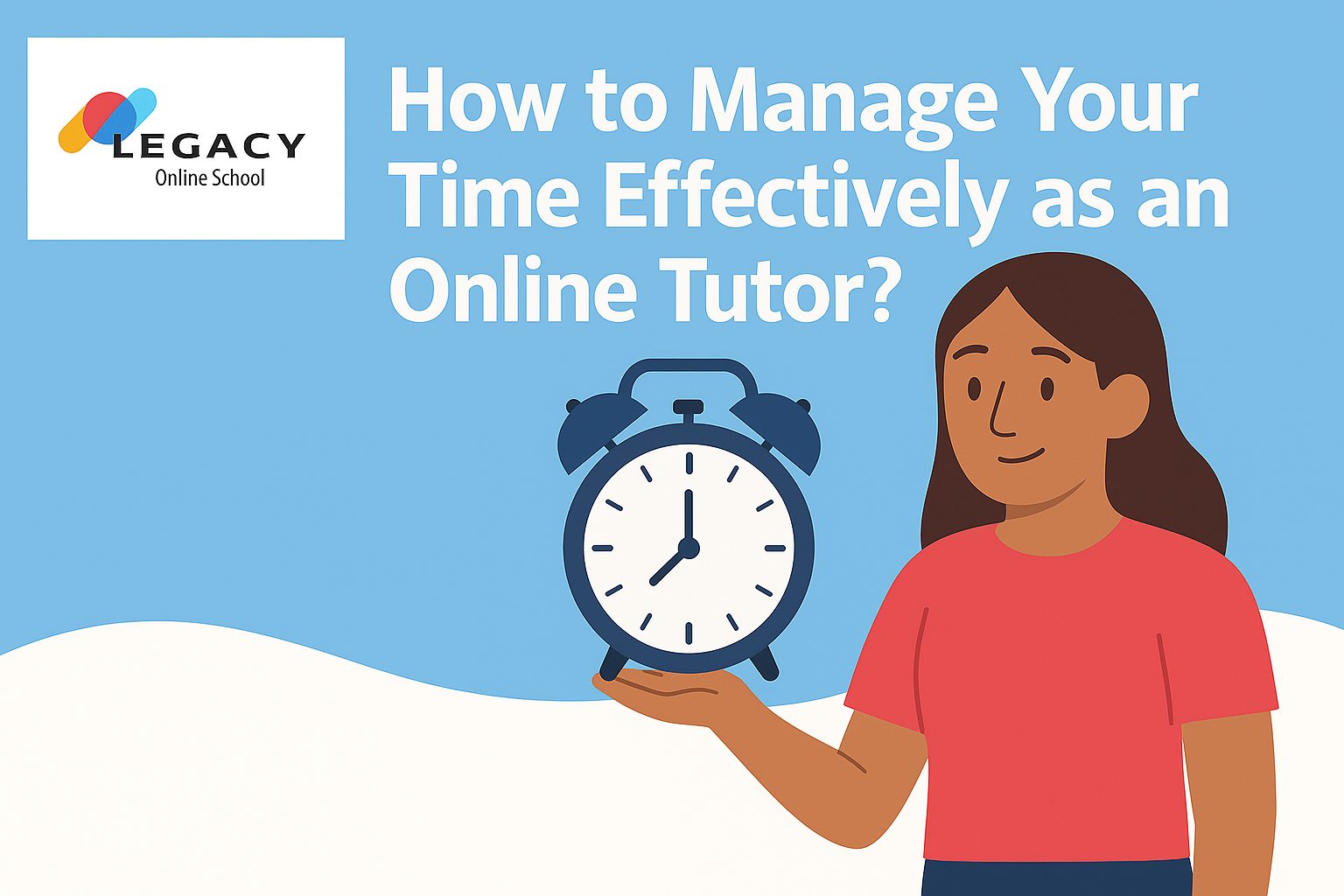
The key is to establish clear boundaries—not just for your students, but for yourself.
Start by identifying your peak productivity hours. If you’re sharper in the morning, schedule your most demanding sessions then. If you hit your stride in the afternoon or evening, build your availability around that. Being intentional about when you teach helps you stay engaged and provide better support to your students.
It’s also crucial to plan beyond the live sessions. For every hour of tutoring, you might need additional time for preparation, reviewing student progress, or following up with resources. Blocking off dedicated prep windows in your calendar can prevent last-minute scrambling and reduce burnout. This planning time should be treated as seriously as your actual sessions.
One of the more overlooked strategies is learning to say no. When students request last-minute sessions or ask to go overtime, it’s tempting to accommodate—especially when you’re trying to build a client base. But stretching yourself too thin often leads to lower quality and higher stress. Clear scheduling policies and communication upfront can prevent awkward conversations later.
You should also make space for long-term planning. Look ahead weekly to identify heavy teaching days and balance them with lighter ones. Track your workload across the month to prevent burnout spikes. Use tools that help you visualize your time: a shared Google Calendar for appointments, a task manager for prep, and time-tracking apps if you’re juggling multiple platforms.
Finally, treat rest and recovery as part of your professional routine. A well-rested tutor is a better tutor, and managing your time effectively means building in downtime just as thoughtfully as you build your schedule. When your calendar respects both your students and your well-being, you’re setting yourself up not just for better sessions—but for long-term success in the role.
|
Top Tips from Our Expert
|

Alyssa Mendoza, AP Coordinator and College Prep Specialist
Sources: Reddit