Key takeaways
The transition from junior high to high school marks a significant developmental phase for students, impacting their academic and emotional growth. Understanding the differences between junior high and middle school, along with the support systems in place, can help families navigate this crucial period effectively.
- Students who struggle in middle school are four times more likely to drop out of high school (Johns Hopkins University).
- Building strong study habits in middle school, such as time management and class participation, is essential for long-term academic success.
- Middle school typically covers grades 6-8, while junior high often includes grades 7-9, reflecting different educational approaches.
- Schools that promote a culture where it's "cool to be smart" can help mitigate negative peer pressure and enhance academic performance.
Contents

The transitioning from elementary to junior high and then to upper secondary education can feel like crossing a major turning point in a student’s life who are 15 years old teens. But before that leap, students often go through Lower secondary school —a time of fast development, both academically and emotionally. In the U.S., the line between middle school and junior high isn’t just a difference of English dictionary. It helps to differentiate approaches to early transition from childhood to adulthood—and the structure of the school system matters more than many parents think. Here’s what you need to know about the key differences and long-term academical impact of these transitional years. Understanding which core subjects students are expected to master before entering upper school is part of that picture too — our Essential School Subjects guide walks through the full workload across lower secondary school and senior high school, from core academics to electives.
“Junior high school used to last from either grades 7 to 9 or 7 to 8, while now middle school lasts from years 6 to 8”
What Is the Difference Between Middle School and Junior High School?
Why are these years a Crucial Stage in Educational Development?
What is meaning of junior high school? It is a key time in a student’s life. It’s the step between elementary school and secondary school—when students start becoming more independent.
They learn harder subjects, start thinking more deeply, and begin to read for meaning, not just for words from thesaurus This helps them prepare for high school and future learning.
Junior high school students find out that their social life also changes. Friends become more important, and students start to figure out who they are. That’s why teachers work and help from counselors really matters.
If students feel confident in middle school or junior high school, they’re more likely to enjoy learning and try new things. But if they fall behind, the right help early on can make a big difference. Knowing exactly what credit requirements are in secondary school can help families plan ahead — our HS Graduation Credits (MO) guide outlines Missouri’s subject-by-subject diploma requirements, giving families a clear definition of meaning of junior high meaning.
How Do Social and Emotional Factors Affect Students?
Social and emotional factors are very important for Junior high school students. This is a time when they are going through big changes—physically, socially, and emotionally.
Socially, friends become more important, but also more complicated. Students might feel pressure to fit in or worry about being left out. These feelings can affect their confidence and how they behave in class.
Emotionally, students are learning more about themselves, but they often don’t know how to manage strong feelings like stress or sadness. If they don’t have support, they may stop caring about school.
When students feel safe and understood, they are more likely to try hard, ask questions, and learn from mistakes. But if they feel alone or judged, they may stop participating and lose motivation.
Common Social Challenges during this period
Before diving into support strategies, it helps to know what kids are facing on a daily basis.
- Navigating new friends in the same age groups
- Dealing with bullying
- Managing social and emotional skills
- Fitting into social norms while trying to stand out
- Handling peer evaluation on social model
School-Based Support for Emotional Development
Fortunately, many schools have come up with real solutions:
- Advisory periods for non-academic check-ins
- On-site counselors available for individual or group sessions
- SEL (Social Emotional Learning) curricula included during lesson time
- Parent engagement programs to support emotional health at home
The goal? Normalize emotional ups and downs—and teach students to manage them in a healthy way.
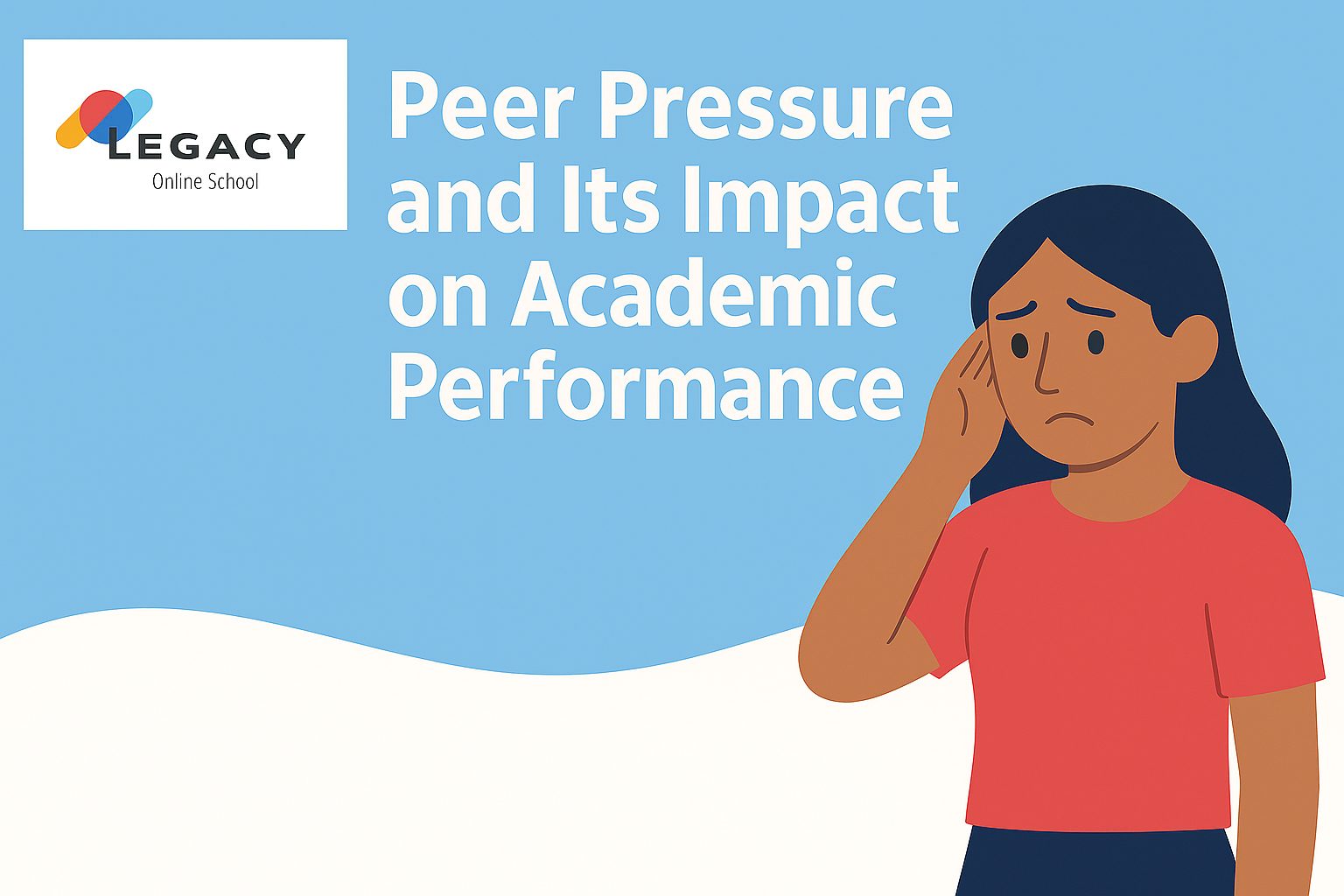
Peer influence can be positive or negative. In secondary, it’s often bad—especially when students feel they have to pretend to be less smart to belong.
The results?
- Decreased attendance in class
- Avoiding intermediate school subject
- Risky behavior that interrupts learning process
- Students hide their abilities due to fear of social pressure
Nowadays, high school is an educational institution that shows a culture where it’s “cool to be smart”. One practical way to build that kind of culture is through student-led extracurriculars — our High School Club Ideas guide offers a wide range subject area that help young people find their people, develop confidence, and channel their energy into something meaningful before peer pressure kills their motivation.
What Are Typical Class Level Configurations in Middle and High Schools?
Structures vary by administrative areas, but these are the most common setups:
| School Type | Years Covered |
| Elementary School | K-5 or K-6 |
| Middle School | 6 to eighth grade |
| Junior High | 7- 9th grade |
| High School | 9-12 or ages of 11 and 12 (if junior high ends in ninth) |
How Do Lower Secondary marks Influence Long-Term Educational Success?
Middle school marks often don’t show up on high school transcripts—but that doesn’t mean they don’t matter. Research shows that students who build strong habits in middle school—like time management, class participation, and homework consistency—carry those habits into high school and beyond.
In fact, students who struggle in during this years or junior high are four times more likely to drop out of high school, according to a study by Johns Hopkins University. Parents don’t need to figure out the proper learning-focused structure by themselves during these important years. — the expert-led programs available through Legacy Curriculum at Legacy Online School are designed to build exactly the kind of foundational skills and study habits that carry students from this period all the way through graduation.
|
Top Tips from Our Expert
|

Alyssa Mendoza, AP Coordinator and College Prep Specialist
Sources: U.S. Department of Education, National Center for Education Statistics, Reddit