Key takeaways
Harvey Mudd College stands out as a unique liberal arts institution that integrates STEM education with the humanities, fostering a collaborative and innovative environment. The admissions process emphasizes holistic evaluation, focusing on personality and fit alongside academic performance. Graduates enjoy strong career prospects, often landing positions at top tech companies and prestigious graduate schools.
- The acceptance rate for the Class of 2028 was about 9%, highlighting the school's selectivity and the high caliber of its applicants.
- Focus on rigorous STEM coursework in high school, as Harvey Mudd values students who thrive on challenges and demonstrate curiosity.
- Graduates from Harvey Mudd earn a median early career pay of $112,500, significantly higher than many other liberal arts colleges.
- Leverage the Claremont Consortium to enhance your educational experience by taking courses across five colleges, enriching both academic and social life.
Contents
- 1 What Is the Admission Process for Harvey Mudd College?
- 2 What Makes Harvey Mudd College Unique Among Liberal Arts Colleges?
- 3 How Does the Consortium of Claremont Colleges Enhance the Experience at HMC?
- 4 What Are the Student Life and Faculty Like at Harvey Mudd College?
- 5 How Do Graduates from Harvey Mudd College Fare in the Job Market?

Harvey Mudd College isn’t your typical liberal arts school. It’s the kind of place where engineering students debate ethics over lunch and math majors write poetry in between coding projects. We will unpacks how to get in and how its grads end up leading some of the most innovative careers in tech and beyond.
What Is the Admission Process for Harvey Mudd College?
“Because mudd is such a small school, and the applicant pool is so self selecting, admissions at mudd is more about a holistic fit. this is true for a lot of LACs. even if you have perfect stats, they really do care about personality, focus, and “fit” which involves creating a well rounded class of students”
Harvey Mudd uses the Common App and follows a holistic admissions process, which means your essays, letters of recommendation, and academic rigor matter just as much as your GPA or test scores. You can apply through:
- Early Decision I
- Early Decision II
- Regular Decision
Admissions officers at HMC are looking for more than just high scores—they want students who thrive on challenge and bring curiosity to both STEM and the liberal arts.
How to Prepare for Harvey Mudd Admission?
To apply to Harvey Mudd, focus on doing well in tough classes—especially math, science, and computer science. Take AP, IB, honors, or college-level courses if your school offers them. But don’t just chase easy A’s—Harvey Mudd wants to see how you handle real challenges. Good grades in all subjects matter, not just STEM.
Test scores are optional, but if you send them, aim high. Most admitted students score over 750 in SAT Math or above 34 on the ACT.
Outside class, show that you build and explore. Code something, join science fairs or robotics, or dive into passion projects. Programs like RSI, Math Olympiad, or FIRST Robotics are great—but even personal projects count if they show depth and curiosity.
In your essays and interviews, be honest. Talk about why Harvey Mudd’s mix of STEM and humanities, small classes, and teamwork fits you. Show that you understand their values—and how you’d contribute.
Ask for recommendation letters from teachers who know you well. A strong letter from someone who’s seen your growth is better than one from someone with a fancy title.
Application Requirements for HMC
Here’s what you’ll need:
- Common App + Harvey Mudd-specific supplement
- High school transcript
- SAT or ACT (optional for 2025)
- 2 teacher recs (one must be from a STEM teacher)
- Counselor recommendation
- Mid-year report
- Optional interview (highly encouraged)
Understanding the Acceptance Rate at Harvey Mudd
Harvey Mudd College has one of the lowest acceptance rates among STEM-focused liberal arts schools. For the Class of 2028, the rate was about 9%. That shows how selective the school is—but also how focused the applicant pool tends to be.
Harvey Mudd gets fewer applications than big universities, but most applicants have very high GPAs, strong test scores(if submitted), and deep STEM experience. So, the challenge isn’t just being qualified—it’s standing out among other strong students.

What makes Mudd different is its mix of STEM and humanities. Admissions officers want more than just math and science skills—they look for clear thinking, strong writing, and teamwork. That’s why essays, teacher recommendations, and activities are so important.
The acceptance rate is often a bit higher for Early Decision applicants. These students tend to be more committed, and the ED pool is smaller.
Demonstrated interest also helps. Visiting campus, joining online sessions, and writing specifically about Mudd in your essays can show you’re serious about the school—even if it’s not required.
What Makes Harvey Mudd College Unique Among Liberal Arts Colleges?
HMC blends liberal arts with engineering and science in a way no other college quite does.
- All students, regardless of major, take core humanities, social sciences, and writing classes.
- The Core Curriculum is famously intense, covering biology, chemistry, physics, computer science, math, engineering, and writing—all in the first three semesters.
- Collaboration is built into the culture—cutthroat competition is not.
You’re not just learning STEM—you’re learning how to think critically, communicate clearly, and work in diverse teams.
How Does the Consortium of Claremont Colleges Enhance the Experience at HMC?
“Harvey Mudd is an awesome school and part of the Claremont consortium. Between the 5 colleges, they have over 5,000 undergrads who share sports teams, clubs, dining halls, musical programs, athletic facilities, and a common registration system. The schools bleed together and feel like one in many ways”
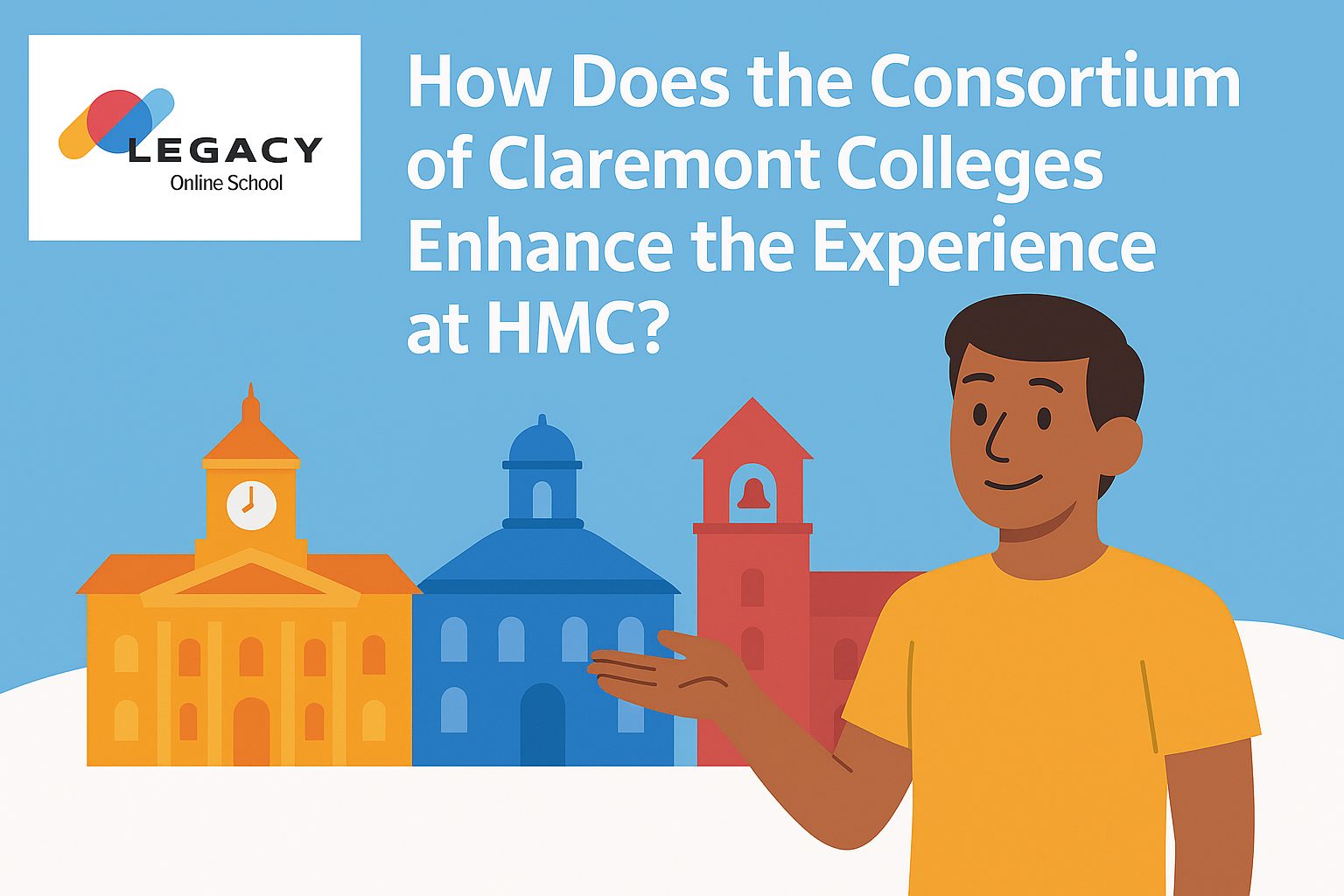
The Consortium of Claremont Colleges plays a big role in student life at Harvey Mudd. While HMC focuses on STEM, the Consortium gives students access to much more—like arts, humanities, and a wider social scene.
The five undergraduate schools—Harvey Mudd, Pomona, Claremont McKenna, Pitzer, and Scripps—plus two grad schools are all within walking distance. Students can take classes at any of the colleges without extra cost or paperwork. So, an HMC student studying computer science might take politics at CMC or dance at Scripps.
This system helps Mudd students get a full liberal arts experience. It also gives access to shared libraries, clubs, sports, and arts groups. You can join a club at Pomona, perform at Scripps, or do research with students from across the 5Cs.
Social life is bigger too. Events like 5C parties, cultural festivals, and joint performances connect students from different schools and backgrounds.
The Consortium gives Harvey Mudd students more freedom and more chances to grow—while keeping the support of a small, close campus. It’s one of the reasons students love being at HMC.
What Are the Student Life and Faculty Like at Harvey Mudd College?
Student life at Harvey Mudd is all about community, teamwork, and a love for problem-solving. It’s a small school with fewer than 1,000 students, but the campus feels active and friendly—not competitive. Students work hard, but they help each other. Group study, late-night homework sessions, and open dorm rooms are part of daily life.
Housing is guaranteed all four years, and most students live on campus. Each dorm has its own style, with fun traditions like pranks, theme parties, and student-run kitchens. Older students often mentor younger ones, and it’s easy to make friends in every year.
Outside of class, students join clubs like robotics, a cappella, gaming, dance, and more. You can also join activities at the other Claremont Colleges, so there’s a lot to do for a small school.
Professors at Mudd are very involved. They know students by name, hold regular office hours, and often invite undergrads to help with real research—even in fields like physics or CS. The student-to-faculty ratio is about 8:1, so it’s easy to get personal support.
At Harvey Mudd, people are curious, smart, and kind. If you enjoy science and math but also want a close, caring college community, this could be a great fit.
How Do Graduates from Harvey Mudd College Fare in the Job Market?
Here’s how the post-graduate landscape typically looks:
| Path After Graduation | Percentage of Students | Common Destinations |
| Full-time employment | ~60% | Google, Microsoft, SpaceX, Meta, Apple, Lockheed Martin |
| Graduate or professional school | ~30% | MIT, Stanford, Caltech, Berkeley, Harvard |
| Fellowships, teaching, or service | ~5% | Fulbright, Teach for America, AmeriCorps |
| Seeking employment | <5% | Career Services offers extended support and alumni networking |
Common Career Paths for HMC Graduates
Popular industries and job roles include:
| Industry | Roles |
| Tech & Software | Software Engineer, Data Scientist |
| Engineering | Mechanical, Electrical, Aerospace |
| Research | Lab Technician, R&D Analyst |
| Grad School | PhD in CS, Physics, Bioengineering |
| Finance/Quant | Quant Analyst, Risk Strategist |
Many grads also go on to top-tier grad programs at MIT, Stanford, and Caltech.
Career Services and Job Placement Support
“Most CS majors I know ended up at Amazon, Google, etc. There’s plenty of opportunity”
Harvey Mudd College offers career services that punch far above its size. With a student body of under 1,000, the Office of Career Services (OCS) provides personalized, high-touch support that rivals much larger universities. From the first year onward, students are encouraged to explore career paths, build professional networks, and prepare strategically for post-grad success. Here’s what the career support at HMC typically includes:
- One-on-one advising
- On-campus recruiting
- Workshops and info sessions
- Handshake and alumni access
Students at HMC often start early. Most begin applying to internships as sophomores, with many receiving return offers before senior year. The school’s strong relationships with companies like Google, Meta, Amazon, and NASA create a smooth path from classroom to career.
Alumni Salaries Compared to Other Liberal Arts Colleges
Harvey Mudd College consistently ranks at the very top when it comes to alumni earnings. Here’s how Harvey Mudd stacks up:
| School | Early Career Pay (Median) | Mid-Career Pay (Median) |
| Harvey Mudd College | $112,500 | $178,900 |
| Pomona College | $72,400 | $141,500 |
| Williams College | $76,100 | $147,000 |
| Amherst College | $75,300 | $144,200 |
| Swarthmore College | $74,800 | $142,600 |
|
Top Tips from Our Expert
|

Maya Robinson, AP Program Advisor at Legacy Online School
Sources: Harvey Mudd College, Reddit