Key takeaways
Understanding athletic scholarships is crucial for student-athletes aiming to compete at the collegiate level. While these scholarships can significantly reduce college costs, not every athlete will need one to participate. This article provides insights into the types of scholarships available, eligibility requirements, and strategies to enhance your chances of securing funding for your education.
- NCAA Division I football teams can offer up to 85 full scholarships, while sports like baseball have a limit of 11.7 partial scholarships (NCAA).
- Athletes can join college teams as walk-ons, with some eventually earning scholarships based on their performance.
- Coaches often prioritize academically strong students, as good grades can provide more scholarship options and improve team retention.
- Building relationships with coaches and actively reaching out can significantly increase your chances of being recruited.
Contents

An athletic scholarship can make college more affordable—but not every athlete needs one to compete at the collegiate level. Whether you’re aiming for Division I football or hoping to run track at a small liberal arts college, understanding how scholarships work (and what your real options are) is essential. We will break it all down so you can make an informed decision about your future in college athletics.
What Is an Athletic Scholarship and How Does It Work?
“An athletic scholarship is a way for a student to go to college for free, or at least having the vast majority of their expenses covered”
An athletic scholarship is a financial award given to student-athletes who compete on behalf of a college or university. These scholarships cover part—or sometimes all—of your college costs, including:
- Tuition and fees
- Room and board
- Books and supplies
- Travel and gear (depending on the program)
They’re usually awarded by coaches, not the admissions office, and are regulated by college athletic associations like the NCAA, NAIA, and NJCAA.
Types of Scholarships You Can Get
There are two primary types of athletic scholarships:
| Type | Description |
| Full Ride | Covers all college costs (rare and usually offered in revenue sports like D1 football or basketball). |
| Partial Scholarship | Covers a percentage of costs (common in sports like baseball, soccer, or track). |
Scholarships vary by sport, division, and school. For example, NCAA Division III schools don’t offer athletic scholarships—but they often give generous academic aid.
Who’s Eligible to Receive an Athletic Scholarship?
To be eligible for a college athletic scholarship, you typically must:
- Meet academic eligibility (GPA, SAT/ACT scores, core coursework)
- Register with the NCAA or NAIA Eligibility Center
- Be recruited by a coach
- Maintain amateur athletic status
- Show strong athletic performance (stats, video, verified times)
International students are also eligible for many programs but may need to meet additional visa and transcript requirements.
Can You Join a College Team Without a Scholarship?

Yes—you can become a walk-on. Walk-ons are athletes who join a team without an athletic scholarship. Some are invited by coaches; others try out during open tryouts.
There are two types of walk-ons:
- Preferred walk-ons: Recruited by the coach, but without scholarship money.
- Traditional walk-ons: Join after tryouts, without prior coach contact.
Some walk-ons earn scholarships later based on performance.
How to Improve Your Chances of Getting a Scholarship?
“Emailing сollege coaches is absolutely a numbers game, so instead of emailing 30, try to email somewhere around 100”
One of the most important steps is understanding where you realistically fit in. Division I programs are extremely competitive, and full scholarships are rare outside of high-profile sports like football and basketball. Division II and NAIA schools may offer more flexibility, and Division III schools, while not offering athletic scholarships directly, often provide generous academic and merit-based aid to strong applicants who also play sports. The key is to research programs that match your level and then focus on building relationships with coaches at those schools.
Creating a strong recruiting profile is essential. This typically includes a highlight video, updated stats, academic transcripts, and a short bio that outlines your athletic and academic accomplishments. The video doesn’t need to be professionally edited, but it should be clear, well-organized, and focused on plays that showcase your strengths. Coaches are busy, so grab their attention quickly—most won’t watch past the first minute unless they’re impressed.
Reaching out to coaches directly can make a huge difference. Many athletes assume coaches will find them, but in reality, sending a well-written email with your highlights, stats, and a short message about why you’re interested in their program shows initiative and maturity. Coaches want players who are coachable and committed—not just skilled. Include your schedule so they can watch you compete, either live or via livestream. Make sure you also complete the athletic recruiting questionnaires on college websites.
Academics matter. To qualify for NCAA or NAIA scholarships, you’ll need to meet specific GPA and test score requirements. Being academically strong also gives you more scholarship options, even at schools that don’t have large athletic budgets. Some coaches will even prioritize students with better grades because it gives them flexibility with team averages and improves retention.
Don’t overlook camps and showcase events. These offer a chance to be seen in person, which can be more impactful than video alone. Coaches often attend these events to scout new talent, and many students have received offers or follow-up interest just from one good showing. Choose events where coaches from your target schools will be in attendance.
What Coaches Look for in Recruited Athletes?
It’s not just about athletic talent. Coaches evaluate:
| Trait | Why It Matters? |
| Coachability | Can you take feedback and improve? |
| Work ethic | Will you put in extra time at practice or training? |
| Team attitude | Are you supportive or a potential locker-room problem? |
| Academic consistency | Will you stay eligible and graduate? |
How the NCAA Regulates Scholarship Offers?
The NCAA sets strict limits on how many scholarships are available per sport and per school. Here’s a quick look at scholarship limits by sport (NCAA Division I):
| Sport | Max Scholarships per Team |
| Football (FBS) | 85 full scholarships |
| Basketball (M) | 13 |
| Basketball (W) | 15 |
| Baseball | 11.7 (partial) |
| Track & Field | 12.6 (men), 18 (women) |
| Soccer | 9.9 (men), 14 (women) |
| Tennis | 4.5 (men), 8 (women) |
Keep in mind: coaches divide partial scholarships however they choose. One player might get 75%, another just books.
Understanding the Types of College Sports Scholarships
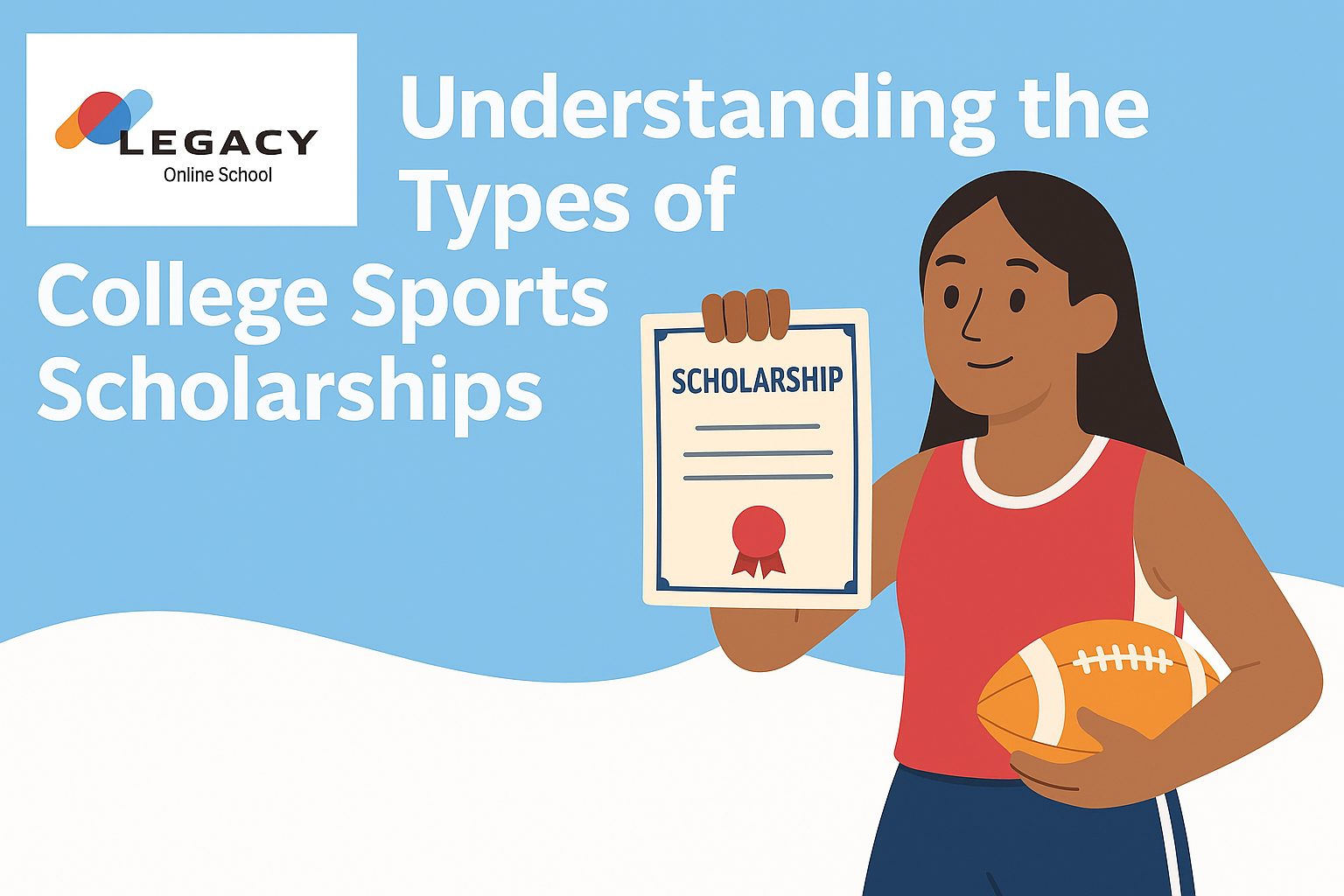
There are three main governing bodies that offer athletic scholarships:
| Association | Features |
| NCAA (Div I & II) | Most scholarship-heavy; DIII offers none. |
| NAIA | Smaller schools, flexible eligibility. |
| NJCAA | Two-year colleges (junior colleges), can be stepping stones to D1. |
Each has different eligibility rules and scholarship structures.
What If You Want to Play College Football Without a Scholarship?
Plenty of athletes start as walk-ons and eventually earn a spot and even a scholarship. Examples include J.J. Watt and Baker Mayfield, who both walked on before going pro. Tips for non-scholarship players:
- Choose a school where walk-ons are supported.
- Talk to the coach before applying.
- Be ready to work harder than anyone else on the field.
“If you can walk on at college, I just gotta say you’re gifted. So do it. If you love football, and you can do it, I say do it. But you gotta know it’s going to take A LOT, and I mean A LOT of nonstop hard work”
|
Top Tips from Our Expert
|

Maya Robinson, AP Program Advisor at Legacy Online School
Sources: NCAA, NAIA, NJCAA, Reddit