Key takeaways
Cornell University exemplifies the integration of world-class research with a commitment to public service, aiming to address real-world challenges through interdisciplinary collaboration. The university's strategic initiative emphasizes sustainability, diversity, and global engagement, preparing students to become impactful leaders.
- Cornell aims for carbon neutrality by 2035, utilizing renewable energy and innovative projects like Earth Source Heat (Cornell University).
- The university prioritizes interdisciplinary studies, allowing students to combine diverse interests, such as science and technology studies.
- Cornell has achieved 100% renewable electricity on its Ithaca campus since 2021, showcasing its commitment to sustainability.
- The strategic initiative influences admissions by seeking applicants with a service-oriented mindset and real-world experience.
Contents
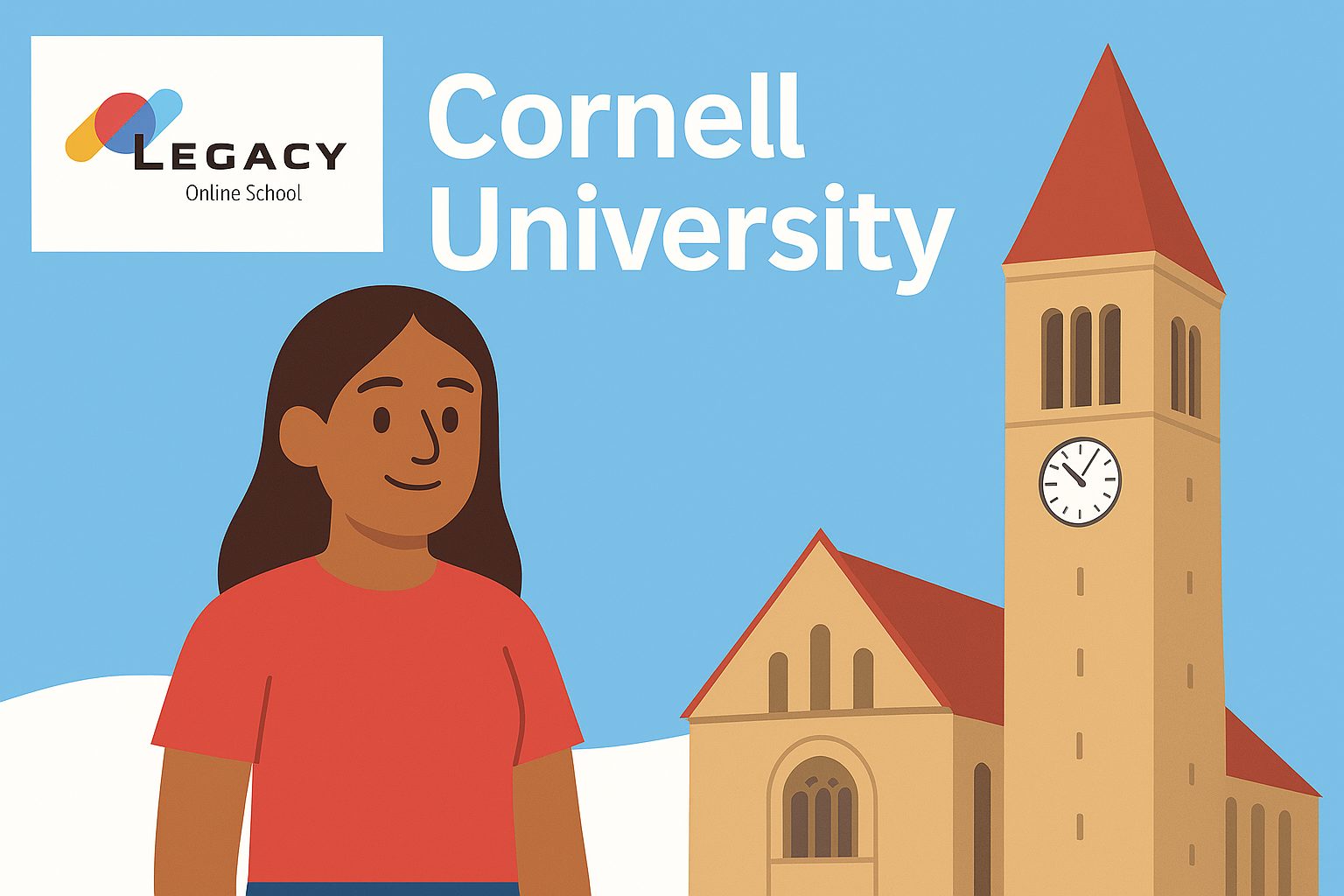
Cornell doesn’t just operate like an Ivy League institution—it defines what it means to blend world-class research with public responsibility. While other top-tier universities focus inward, Cornell’s recent strategic initiative signals an outward-facing mission: build knowledge that directly improves lives and the planet. We will help you tap into Cornell’s unique cross-disciplinary culture.
Understanding Cornell University’s Strategic Initiative
“I think it’s really good for someone with a wide variety of interests because it is quite interdisciplinary. I’m a double major in S&TS and Information Science. I think it’s great that they want to major in science and technology studies and that Cornell is the best place for that”
Cornell University’s strategy is based on its two main goals: being a top research school and serving the public as a land-grant university. This mix shapes Cornell’s big vision—offering great education and solving real-world problems.
A key part of the plan is teamwork across different fields. Cornell connects experts in engineering, business, farming, medicine, and the humanities to work on big issues like sustainability, public health, and new tech. One example is Cornell Tech in New York City, which focuses on digital innovation and startups.
Cornell also focuses on diversity and inclusion. The school supports more students from underrepresented backgrounds, helps first-gen and low-income students, and builds welcoming classrooms.
From global partnerships to updated courses that match today’s careers, Cornell’s strategy isn’t just about growing—it’s about helping students become future leaders while staying true to the school’s mission of public service.
What Is the Mission Behind the Strategic Initiative?
Cornell’s main goal is to turn knowledge into real action. The university wants research to solve real problems—in farming, health, climate, and AI.
Key parts of the mission include:
- Public purpose—based on Cornell’s land-grant roots
- Equity and inclusion—in both rural and urban areas
- Sustainability—on campus and in global policy
Cornell invites faculty, students, and alumni to lead projects that make a real, measurable difference.
Key Components of Cornell’s Strategic Framework
Cornell’s long-term plan is built on clear priorities to guide its growth and impact. These goals reflect its Ivy League status and public service mission. Each part supports top academics, innovation, and social good:
- Strong Academics in All Fields
- Access and Student Life
- Public Service with Purpose
- Research That Makes a Difference
- Sustainability and Climate Action
- Cornell links its campuses in Ithaca, New York City, and Qatar into one global network
How the Initiative Aligns with Institutional Goals?
Cornell’s institutional goals are crystal clear: prepare students for a complex world, support faculty innovation, and make a public impact. The strategic initiative acts as the implementation roadmap. It connects directly with:
- Admissions: prioritizing students with a service mindset
- Faculty hiring: emphasizing interdisciplinary and community-engaged research
- Infrastructure: building more collaborative, sustainable spaces on campus
The initiative isn’t a separate strategy—it’s now embedded in how Cornell sets priorities across departments.
Campus Priorities at Cornell University
While academics remain a central focus, Cornell’s strategic initiative has redefined what matters most on campus. Current campus priorities include:
- Expanding undergraduate research opportunities in community-driven and applied projects
- Investing in affordable housing and financial aid for students
- Accelerating climate-resilient infrastructure through energy-efficient building upgrades
- Strengthening ties between Ithaca campus and Cornell Tech in NYC
The goal: create a connected and inclusive learning environment that mirrors the real world.
Cornell’s Commitment to Sustainability
“Maybe to encourage recycling a competition by hall to see which hall produces the least landfill trash during say a months time with the winning hall winning some sort of prize/reward”
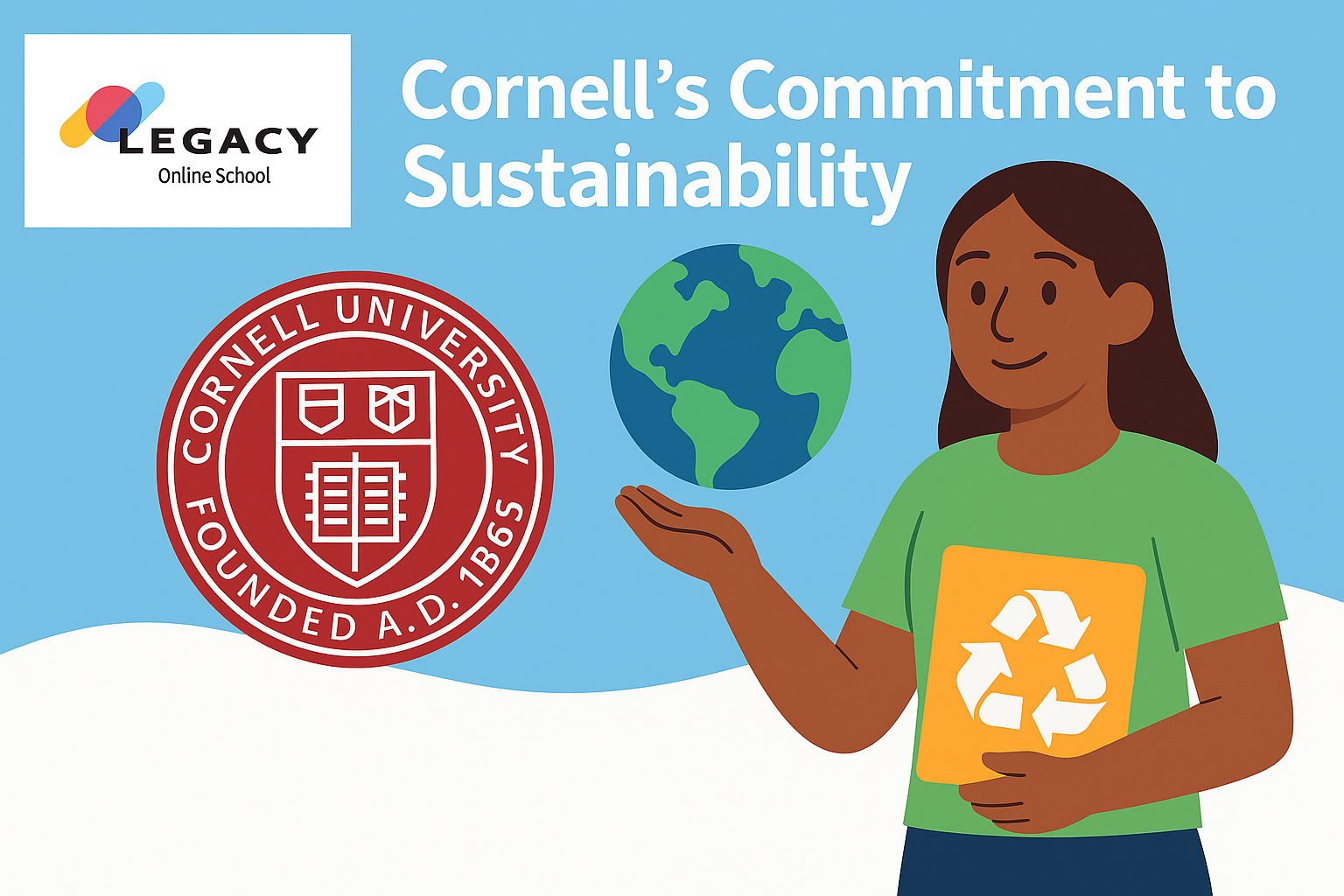
Cornell was one of the first Ivy League schools to promise carbon neutrality, and it’s taking real steps to get there.
The main goal is to be carbon neutral by 2035. To reach it, Cornell uses renewable energy and is developing a special Earth Source Heat project that uses geothermal energy under the campus. Sustainability is also part of many classes.
Students help lead the change. They take part in research and work on projects in sustainable farming and food systems. The campus is like a living lab, with solar panels, green farms, and LEED-certified buildings showing real progress.
Programs and Initiatives for Sustainability on Campus
Before listing specifics, it’s worth noting that sustainability at Cornell involves students, staff, operations, and academics all at once. Notable initiatives:
- Earth Source Heat: Cornell’s geothermal energy system in development
- 100% renewable electricity on the Ithaca campus since 2021
- Sustainable Cornell Council: coordinates cross-campus planning
- Living Laboratory Projects: student-led innovations in building energy use and campus biodiversity
These programs are tracked through the STARS sustainability rating, where Cornell consistently ranks Gold.
How Cornell Engages Faculty and Students in Sustainable Practices?
Professors from many fields include sustainability in their teaching—not just in environmental science, but also in engineering, economics, public policy, and even the arts. They get support from Cornell programs like the Atkinson Center, which helps with research and teamwork across subjects.
Students lead many green projects, like building solar cars or running compost systems. They can also do research with professors on real environmental problems. Grad students often help with big climate and energy studies that affect public policy.
Cornell’s Sustainable Campus program lets students and staff test ways to reduce waste, use better food sources, and save energy. In dorms, EcoReps teach other students how to live more sustainably every day.
Global Engagement Opportunities at Cornell
Cornell’s international impact is one of its strongest assets. Through the strategic initiative, it’s expanding access to global fieldwork and collaborative research. Global programs include:
- Cornell Global Hubs: strategic partnerships in Rome, Accra, Quito, and more
- Engaged Cornell: supports students working on international public service projects
- Sustainable Global Enterprise program in the Johnson School
This global orientation connects campus values with global citizenship—giving students a head start on internationally focused careers.
The Role of Cornell’s Strategic Initiative in Admissions and Alumni Relations
Admissions is evolving in response to the strategic plan. Cornell now looks for applicants who show not just academic excellence, but a commitment to impact-driven learning. How it shows up:
- Essay prompts about social change, community work, or global issues
- Priority for students who’ve built real-world experience or interdisciplinary portfolios
- Support for first-gen, low-income, and rural students with a strong service focus
On the alumni side, the initiative fuels deeper engagement through:
- Mentorship for mission-aligned student projects
- Global alumni networks built around sustainability and equity
- Donor initiatives tied to social and environmental outcomes
|
Top Tips from Our Expert
|

Maya Robinson, AP Program Advisor at Legacy Online School
Sources: Cornell University, Reddit