Key takeaways
Making friends at school can be a challenge, especially for introverted children or those entering a new environment. However, with the right strategies and support, kids can develop social confidence and build meaningful connections. This article provides practical tips and insights to help children navigate social situations and foster friendships.
- 70% of children feel nervous about making new friends at a new school (Child Mind Institute, 2023).
- Encourage your child to join clubs or activities within the first month to create opportunities for social interaction.
- Group projects can lead to friendships, as they provide a shared experience and build trust among classmates.
- Teach your child to use simple conversation starters to ease into discussions, such as asking about homework or complimenting a classmate's belongings.
Contents
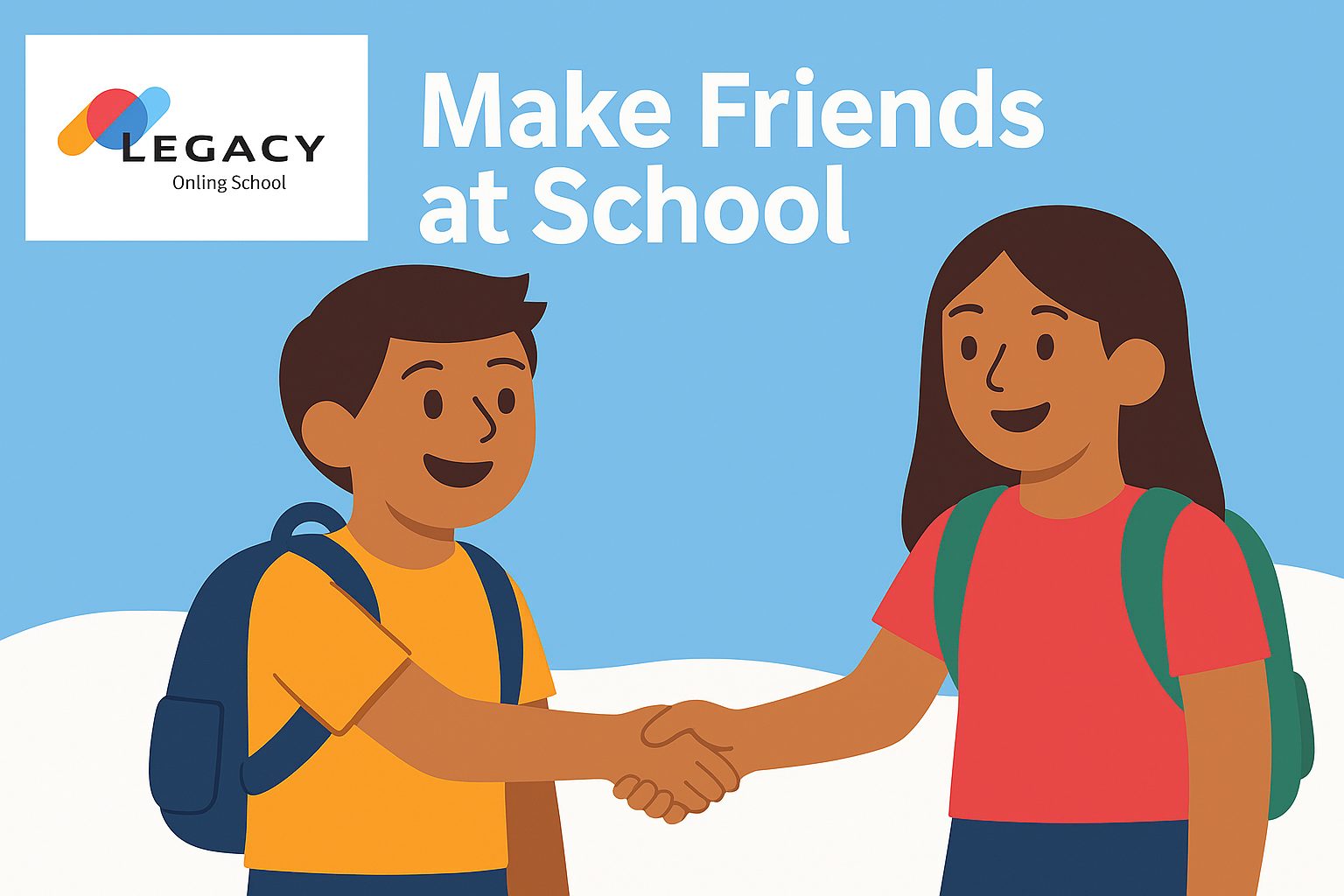
Making friends at school can feel exciting, overwhelming—or both. For some kids, it happens naturally. For others, especially those who are introverted or starting fresh in a new environment, building friendships takes time and support. But here’s the truth: social confidence is something kids can learn. With the right strategies and a little encouragement, even the shyest student can find real connection in the school community.
How Can I Help My Child Make Friends at a New School?
“One strategy is to ask people for a simple bit of help and then turn that into a conversation. Most people love to help”
Starting over in a new school can leave kids feeling uncertain. The best thing you can do is normalize the nerves while giving them tools to build bridges.
Supportive steps include:
- Visiting the school before the first day (if possible)
- Practicing conversation starters at home
- Helping them brainstorm two “safe” people to talk to (teacher, classmate)
- Encouraging them to join one club or activity within the first month
- Reminding them that friendships grow slowly—it’s okay not to have a “best friend” right away
What Are the Best Strategies for Introverts to Make Friends at School?
The key for introverted students is finding spaces where deeper conversations are welcome and where they can be themselves without pressure. With the right strategies and a bit of self-awareness, introverts can build strong, lasting friendships—on their own terms. Here are some of the best strategies that consistently work for introverted students:
- One-on-one conversations are usually more comfortable than big groups. Sitting next to someone in class or chatting after a shared activity can be great low-pressure starts
- Activities like book club, chess, coding, art, or creative writing naturally create space for meaningful conversation—and less forced small talk
- Saying hello at lunch, during homeroom, or at the same bus stop can turn into real friendships over time
- Introverts tend to be great listeners. Asking open-ended questions helps build trust and deeper connection
- Socializing doesn’t mean you have to be “on” all day. It’s okay to recharge and set healthy boundaries
To compare the impact of each strategy based on comfort level and social effectiveness, here’s a table:
| Strategy | Comfort Level (for Introverts) | Builds Connection | Easy to Start | Works in Class Setting |
| One-on-One Conversations | High | High | Yes | Yes |
| Joining Interest-Based Clubs | High | High | Yes | Sometimes |
| Using Shared Routines | Medium | Medium | Yes | Yes |
| Asking Thoughtful Questions | High | High | Medium | Yes |
| Scheduling Downtime | High | Indirect | Yes | No |
How Introverted Kids Can Start Conversations?
Starting a conversation doesn’t mean delivering a speech—it just means opening a door. Here are a few easy openers kids can try:
- “Do you know what page we’re on?”
- “I like your backpack. Where’d you get it?”
- “I’m new here. What’s the lunch line like?”
- “Do you want to work on this together?”
You can role-play these at home until they feel natural. The goal isn’t to be smooth—it’s to be brave.

Activities That Help Introverts Meet Peers
When kids are nervous about talking, doing something together can ease the pressure. Activities that involve teamwork, problem-solving, or shared interests are perfect entry points.
| Type of Activity | Why It Works? |
| Board game clubs | Conversation happens naturally during play. |
| Group art projects | Kids focus on creating together, not just talking. |
| Volunteer programs | Builds shared purpose and low-stakes teamwork. |
| Science or coding clubs | Appeals to logic-driven, curious minds. |
| Drama tech crew | Offers social bonding without being in the spotlight. |
Tips for Overcoming Shyness in Social Settings
Shyness is not a flaw—it’s a normal trait. But when it holds kids back from making connections, it’s worth gently working through. You can help them by:
- Celebrating small wins (“You said hi to someone new today!”)
- Teaching grounding techniques for social anxiety (like square breathing)
- Offering conversation templates for common situations
- Avoiding labels like “shy” that reinforce the identity
- Giving them time to observe before they engage
Remember: they’re not behind—they’re just warming up.
What Makes a Good Friend in School?
Before helping kids find good friends, help them define one. This builds awareness and confidence in choosing healthy relationships. Good friends are usually:
- Kind, even when no one’s watching
- Supportive, not competitive
- Interested in your ideas
- Trustworthy (they don’t share your secrets)
- Fun to be around—but also respectful when you need space
Talk through these traits at home. Ask your child what they value in a friendship.
How to Encourage Your Child to Make New Friends
Instead of pressuring your child to “just be more social,” create a structure that makes friendship easier to approach. That might mean:
- Inviting one classmate over for a low-pressure hangout (short + structured!)
- Setting goals like “Talk to one new person this week” (celebrate effort!)
- Encouraging participation in shared-interest clubs
- Validating their fears—but not letting those fears dictate action
Avoid bribes or punishment. Social courage grows from consistency, not force.
What Activities Can Help Kids Make Friends at School?
Some activities naturally spark friendship—especially when they’re based on shared goals and collaboration. Here’s a breakdown of school-based friendship boosters:
| Activity Type | Friendship Potential |
| Clubs | Shared interests create instant topics to bond over. |
| Group projects | Working together builds mutual trust. |
| Sports | Encourages teamwork and off-field bonding. |
| School plays/music groups | Long rehearsals = lots of bonding time. |
| Volunteering | Creates connection through shared purpose. |
The key isn’t to do everything, but to try something where interaction is baked in.
Joining Extracurricular Activities and Clubs
“As someone who slowly is making friends via hobbies I’ve noticed is to be consistent when you show up for your hobby. … But even making small talk or finding something in common besides the hobby helps a lot too”

Joining extracurricular activities and clubs is one of the most effective ways for kids to make friends at school. These spaces naturally bring together students with shared interests, making it easier to start conversations and form bonds. Whether it’s a drama club, a robotics team, student government, or an art group, clubs provide a smaller, more focused environment than a typical classroom, which helps students feel seen and included.
Unlike casual lunchtime chats or brief hallway interactions, extracurriculars allow for repeated, meaningful interactions over time. Students collaborate, solve problems together, celebrate shared wins, and support one another through challenges. These experiences build trust and belonging. For shy or introverted students, clubs can offer a structured setting that removes the pressure of “just walking up to someone” and provides common ground to talk about.
Schools like Legacy Online School often encourage participation in digital or in-person clubs because they know friendships formed through shared passions tend to be the most durable. When students find a group where they can contribute, express themselves, and feel valued, friendships start to form naturally—without forcing it.
Using Group Projects to Build Friendships
Group projects are more than just academic assignments—they’re social test runs. With the right framing, they can become entry points to real connection. Coach your child to:
- Take on small leadership roles (“I’ll make the slides”)
- Ask classmates about their ideas and preferences
- Offer help or ask for it—both build trust
- Stay in touch after the project ends
One project can be the start of a new friendship, even if it begins over shared stress.
The Role of Sports in Social Connection
Team sports can seem intimidating—but they’re also great for fast-tracking friendship. Whether it’s varsity soccer or a casual lunchtime basketball game, the benefits go beyond fitness. Social perks include:
- Built-in community and shared goals
- Opportunities for peer bonding through practices and games
- Encouragement from coaches and teammates
- Shared victories and setbacks that strengthen trust
For kids who don’t love contact sports, look into cross-country, swim teams, or even esports leagues.
|
Top Tips from Our Expert
|

Ana Lucía Torres, Senior Learning Advisor
Sources: Child Mind Institute, Edutopia, Reddit